Suitable


Iron Cotton
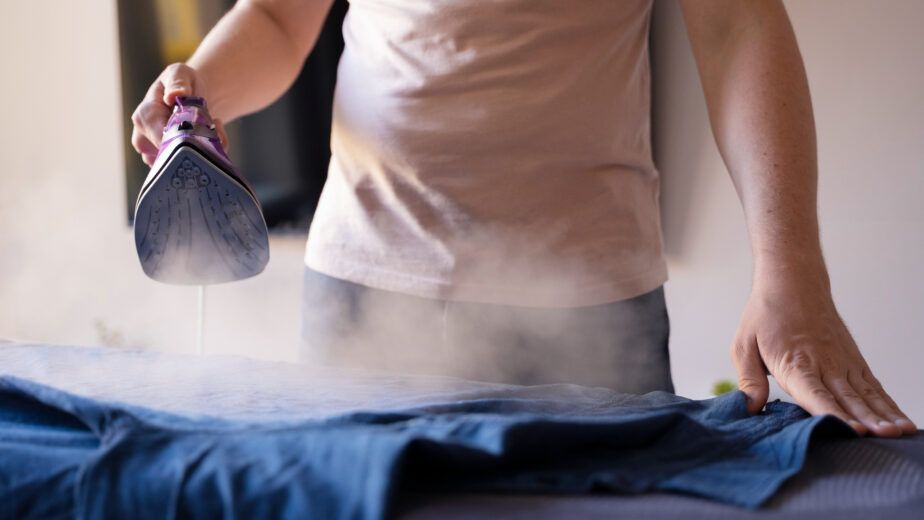
Cotton is quite resistant to high temperatures. You can therefore safely set the iron to a medium temperature (around 180-200°C) and use steam to remove the creases. Iron the clothing on both sides for an optimal result. Start with the inside to prevent damage to the fabric and any prints. Make sure you move the iron smoothly and quickly over the fabric without applying pressure.
Ironing Polyester
The biggest advantage of polyester is that it hardly creases. This makes ironing easier. Start by setting your iron to a low to medium temperature (around 150-170°C). Do not use steam, as this can damage the fabric! Iron on the inside of the garment to prevent shine. Make sure you move the iron quickly over the fabric to prevent overheating.
Ironing viscose
Viscose, also known as rayon, is an airy fabric that is prone to creasing and shrinking. It is therefore important to be careful. Set your iron to a low temperature (around 110-130°C) and iron in sections. Do not pull on the fabric, so that the shape of the garment is preserved. Iron on the inside or place a thin cloth over the fabric to prevent iron marks. Move the iron quickly over the fabric without applying pressure.
Ironing linen
Linen is famous for its airiness. It is prone to creasing, but that is precisely what gives the fabric character. If you do want to go over it with an iron, then set the iron to a higher temperature (around 200-230°C). Use the steam function and turn the garment inside out (especially with dark clothing!) to prevent damage. Pay attention to the seams and hem to ensure they lie nice and flat.

Ironing wool
Woollen garments need special care in order not to shrink or become damaged. Set your iron to a low temperature (around 110-150°C). Use a pressing cloth or a thin cotton cloth between the iron and the fabric for extra protection. Iron the wool carefully in one direction and avoid strong pressure. If there are creases, you can use the steam function to get them out without resting the iron on the fabric.
Ironing silk
Silk is a luxurious fabric that requires careful treatment. It is therefore wise to turn the garment inside out. Set your iron to a low temperature (around 110-150°C) and lightly dampen the fabric. You can place a pressing cloth between the iron and the silk to prevent scorch marks. Iron the silk carefully in one direction and avoid repeatedly ironing the same spot. When in doubt, it is best to go to a dry cleaner.